


Our case studies showcase the strategies, creativity, and results we’ve delivered for clients across various industries. Each project highlights unique challenges, tailored solutions, and measurable success. Take a look at our recent work to see how we turn ideas into impactful results.
The University of Bolton Islamabad (UOBI) is the first and only international university campus in Pakistan. It offers globally recognized degrees in Business, Computing, Law, and Cybersecurity — all delivered right here in Pakistan.
So far, they had spent over USD 7000+ on digital ads to build awareness, gauge market interest, and potentially capture some early sign-ons for their January 2024 intake. Not a single student converted. The cost per lead ended up being over USD 10.44 — and most of the inquiries were cold, unqualified, or nowhere near aligned with pricing expectations.
On top of that, they barely had any presence on Google. They weren’t showing up for high-intent searches. Their social media was irregular and had no connection to their paid efforts. It was fragmented, inefficient, and leaking money.
Our goal was simple: drive more qualified student enrollments for the September 2024 and January 2025 intake, bring down the cost per lead, and give the brand a stronger, more consistent presence across digital channels.
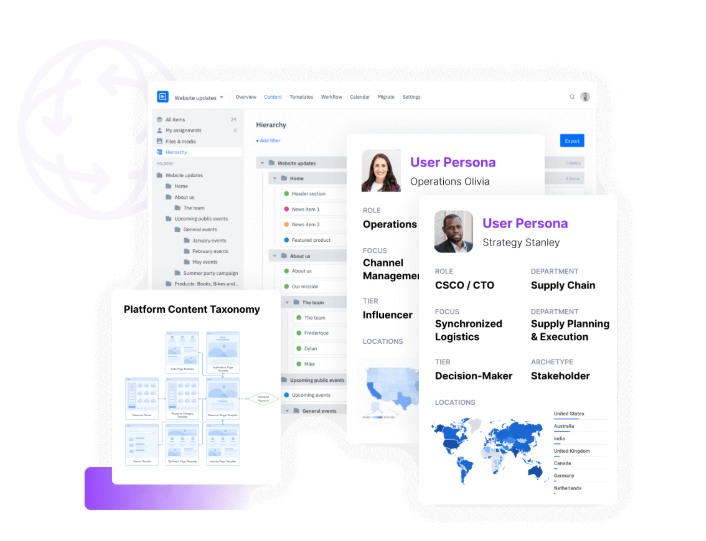
We ran ads across multiple funnel stages — from broad awareness to lead generation. This included reach-based campaigns to build visibility, traffic ads to drive landing page sessions, and long-form lead ads for high-intent conversions. Targeting was structured using multiple variables: behavior, education level, device type, and platform activity — with custom segmentation by city and program interest. No one-size-fits-all setups. We used different creative angles for different campaign goals: academic credibility for TOFU, faculty/student-driven proof for MOFU, and direct program benefits and outcomes for BOFU. All lead forms were structured with qualifying fields to help admissions pre-filter submissions before contact.
Ads were run specifically in high population density cities, with separate A/B tests running across creatives, form lengths, placements, and CTA formats. We also used retargeting across all funnel stages and built lookalike audiences from lead form engagement and custom data sets. Campaigns were reviewed weekly — CPL, lead quality, and follow-through rates were tracked in sync with the admissions team. This let us adjust budgets in real time, cut what wasn’t working, and scale only the combinations of copy, creative, and targeting that were delivering the strongest leads.
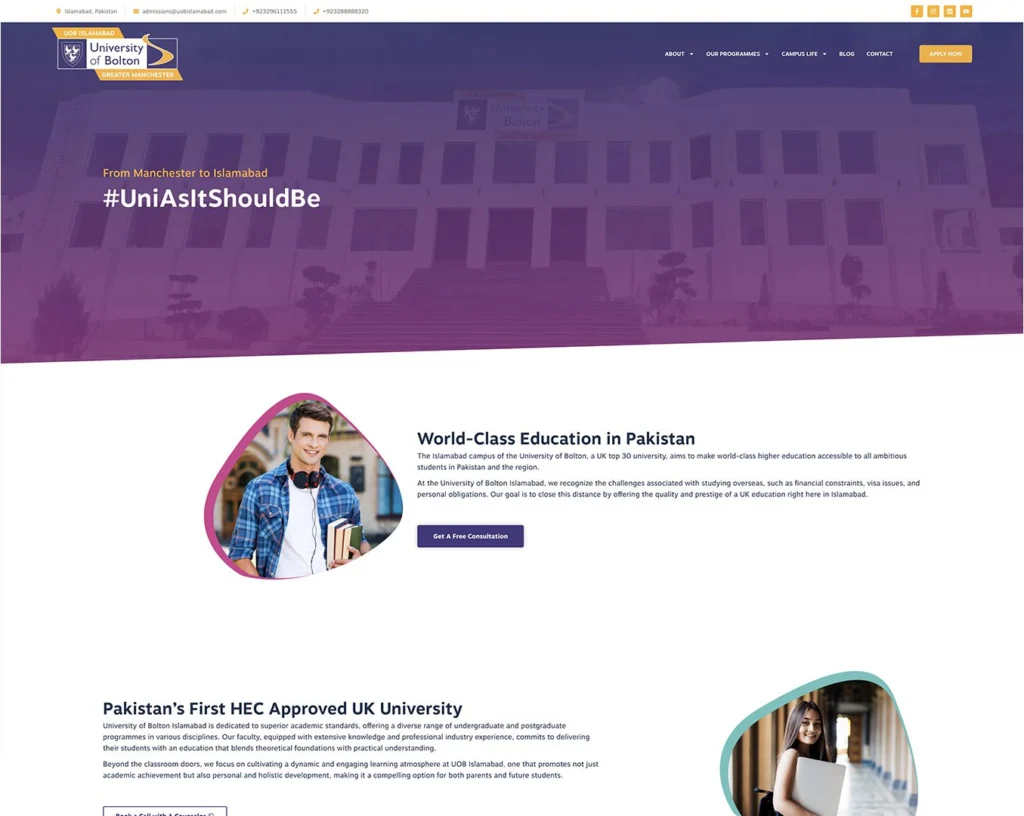
The primary focus was to make the website SEO-friendly and increase its visibility across search engines. Structured content was added across key sections — including admissions, campus life, events, facilities, and faculty — to give the site more depth, improve crawlability, and help it rank for a wider range of relevant searches. Navigation was simplified, layouts were cleaned up, and the site was made fully mobile-responsive and optimized for performance. These basics were missing before — slow load times, cluttered layouts, and limited mobile compatibility were all hurting visibility, so this became a necessary part of the foundation.
On the technical side, we implemented on-page SEO best practices — including internal linking between key pages, descriptive metadata (titles and meta descriptions) that aligned with search intent, schema markup for better indexing, and a clear heading hierarchy across all content blocks. A supporting blog strategy was also put in place, targeting high-volume academic keywords tied to real student queries, to grow long-term traffic and expand topical authority.
Alongside this, we handled off-page SEO fundamentals by building backlinks through a mix of reputable university directories, local education-related listing platforms, and contextual mentions on high-domain education blogs and forums. Combined, these changes improved rankings, boosted on-site engagement, and delivered a consistent stream of organic leads — all without touching the ad budget.
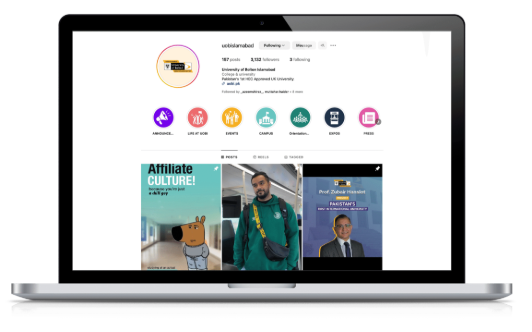
We stopped social media posting just to stay active and started sharing well curated content that people could actually resonate with and get a feel of the institution — student life clips, classroom moments, quick faculty intros, campus events. Reels and stories always have the strongest performance, so we focused on creating the types of content that naturally gained traction. The organic content strategy was focused entirely on storytelling, building credibility, and creating awareness — giving people a real, day-to-day sense of what UOBI offered. We switched the social media strategy from “random posting” to structured, consistent communication that made the university feel relatable.
A marketing and sales funnel was built to attract the right prospects — not just generate volume. Each campaign was tied to a specific targeted audience, so when a lead came in, we already knew what they’d seen and where they were coming from. That gave the admissions team clarity from the first call. But more importantly, it gave the marketing team visibility into which audiences were converting, which regions were delivering the best leads, and where budgets were being wasted. As admissions logged lead quality, conversion outcomes, and region-level performance in the CRM, we were able to reallocate budget towards targeted audiences that were actually driving enrollments.
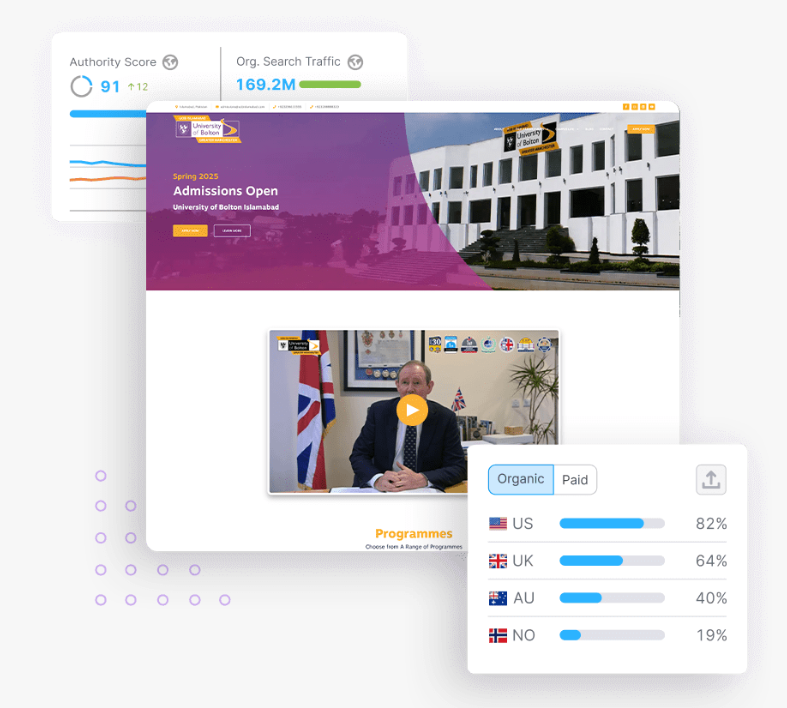
The leads weren’t just cheaper — they were highly interested. Each step of the funnel was cleaned up. Organic traffic went from an afterthought to a major pipeline. Social content started driving real engagement. SEO strategies made the brand more visible on search engines. And paid ads were doing what they were supposed to: drive quality leads without burning the budget.
Lead Generation & Top-of-Funnel:
Conversions & Efficiency:
Returns & Business Impact:
Broad campaigns inflate numbers, not results. When an ad speaks to everyone, it resonates with no one — and that’s exactly what was happening. Thousands of leads, zero conversions. So we stripped the strategy down to what actually drives enrollment: relevance. Each campaign was built around a specific program, targeted to regions where intent matched affordability, and designed to qualify interest before the form was ever submitted. Lead volume dropped — intentionally. But cost per lead fell, ad spend shrank, and conversion rates finally showed up. It wasn’t about generating more leads. It was about generating the right ones.
Get in touch with our conversion-focused specialists, ready to deliver bespoke strategies tailored to your growth targets.
Leather Jacket Shop is an established Australian e-commerce brand specializing in premium leather jackets and bags for men and women. With a global customer base and a decade of experience, LJS came to us after their previous agency had been burning through ad budget with poor targeting, declining ROAS, and campaigns that weren’t driving profitable growth.
They were facing high CPCs on ineffective campaigns, struggling to convert first-time visitors into loyal customers, and lacked a cohesive funnel strategy that connected their paid efforts. Their existing approach was fragmented – running generic ads without proper audience segmentation or strategic campaign structure.
The previous agency’s broad-targeting approach was generating expensive, low-quality traffic that wasn’t converting. LJS needed a complete overhaul of their paid marketing strategy to drive consistent, profitable sales.
We completely restructured their Google Ads approach, moving away from generic broad campaigns to strategic TOFU (Top of Funnel) campaigns designed to capture high-intent traffic at competitive costs. Our focus was on Dynamic Search Ads, carefully selected Broad Match Keywords, and seasonal promotional campaigns.
The strategy centered around lifecycle marketing – creating campaigns for Early Season Promos, Holiday Sales, and Special Events that aligned with customer buying patterns. We used Smart Bidding strategies optimized for low CPC while maintaining high click-through rates.
Top Performing Campaigns:
Our Meta strategy focused purely on BOFU (Bottom of Funnel) conversion campaigns, targeting warm audiences who had already shown purchase intent. Instead of competing in the expensive cold traffic space, we used Meta for strategic retargeting and conversion optimization.
We developed sales-driven creative strategies including customer testimonials, product demonstrations, and time-sensitive promotional offers. The campaigns were built around seasonal events and special occasions when purchase intent naturally peaks.
Key Results:

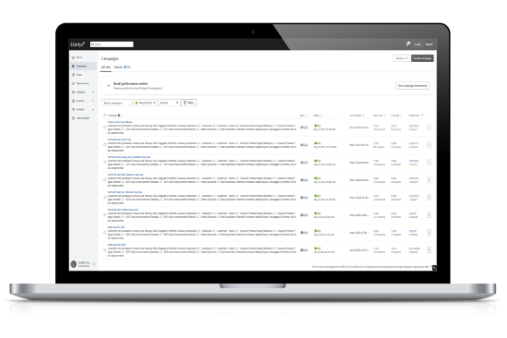
Email marketing became our secret weapon for converting TOFU traffic and re-engaging prospects who didn’t purchase immediately. We developed automated flows for seasonal campaigns, cart abandonment recovery, and post-purchase upselling.
The email strategy included targeted seasonal newsletters, automated nurture sequences, and event-driven campaigns that aligned with our paid advertising promotions.
Performance Highlights:
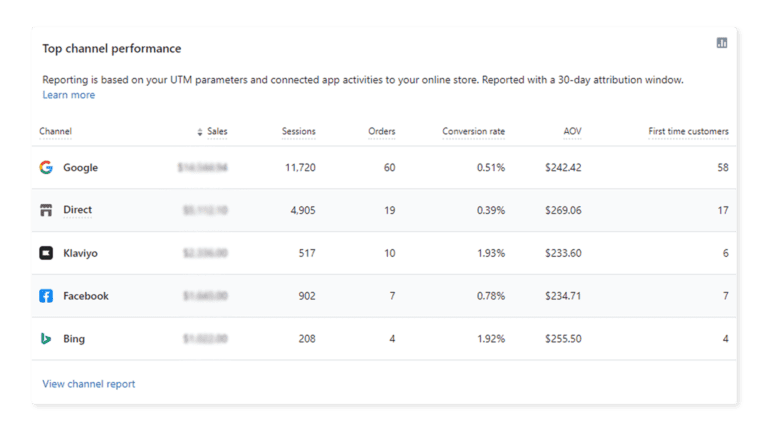
We implemented comprehensive tracking across all channels to understand true attribution and optimize budget allocation. This allowed us to see which channels were driving the highest-value customers and adjust spending accordingly.
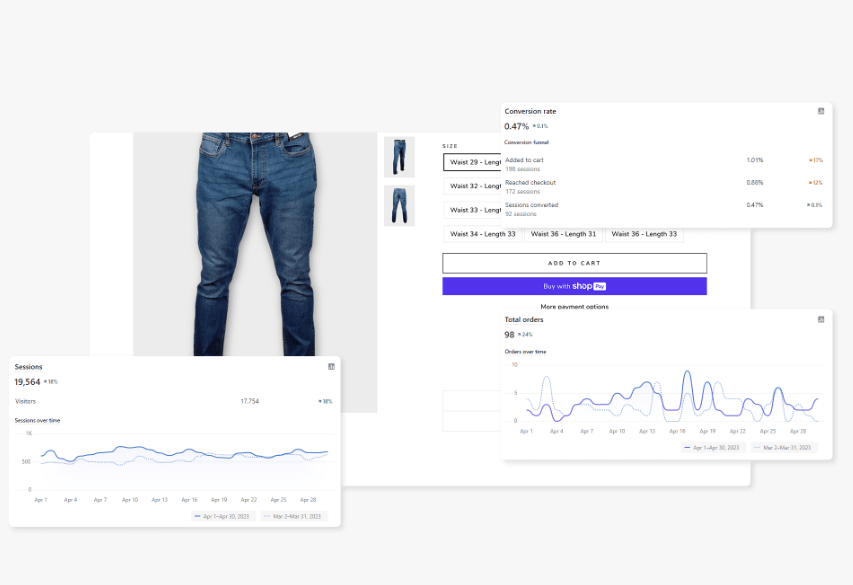
The transformation was significant and measurable. We moved LJS from ineffective broad targeting to a strategic, multi-channel approach that generated consistent profitable growth.
Campaign Performance:
Channel Distribution:
Business Impact:
The biggest mistake agencies make is treating all traffic the same. LJS’s previous agency was running generic campaigns hoping the algorithm would figure out targeting. When we segmented their approach – Google for high-intent TOFU acquisition, Meta for warm audience conversion, and email for nurturing – each channel could do what it does best.
The lesson isn’t just about platform optimization. It’s about understanding customer journey stages and building campaigns that work together instead of competing against each other. LJS went from burning budget on broad campaigns to generating 4-5x ROAS because we gave each platform a specific role in the conversion funnel. The brands succeeding in 2024 aren’t the ones with the biggest budgets – they’re the ones with the clearest strategy.
Get in touch with our conversion-focused specialists, ready to deliver bespoke strategies tailored to your growth targets.
B.P.K Global Trading LLC stands as one of the UAE’s most prominent suppliers of marine and reef aquarium products, services, and livestock. Despite holding exclusive dealership rights for numerous international aquarium brands and being first movers in their niche, their digital presence told a completely different story.
Their existing website was a liability. Outdated design, zero mobile optimization, and a user experience that drove visitors away instead of converting them. Basic functionality like intuitive navigation and online inquiry capabilities were either broken or completely missing. Meanwhile, their competitors were climbing search rankings and capturing market share with superior digital strategies.
The stakes were high. B.P.K was watching their hard-earned market position erode as newer competitors dominated online search results. Every day without a proper digital presence meant lost revenue, weakened brand credibility, and a widening competitive gap that would only get harder to close.
Our goal was clear: completely modernize their digital presence, reclaim their competitive edge, and turn their website into a revenue-generating asset — all within an impossibly tight timeline.
Every part of the revamp was built with a single focus: turn traffic into customers.
First, we restructured the site around what their buyers actually wanted: clear info, real work examples, and frictionless inquiries.
Then, we mapped a clean funnel — from homepage to service pages to direct CTAs — removing the guesswork.
Mobile usability became the priority. Because that’s where the traffic was — and that’s where most of it was bouncing.
Lastly, we made sure the new structure could scale — whether they wanted to add e-commerce, run ads, or rank higher in Google.
It wasn’t about adding features. It was about eliminating the ones that slowed people down.
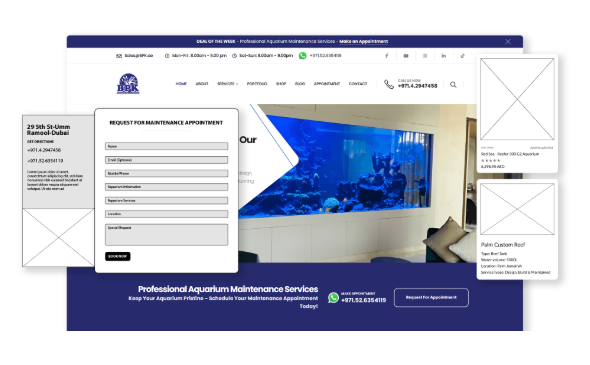
We started from zero — completely wireframing B.P.K’s digital presence using Figma to create a modern, professional interface that matched their market position. Every page, every interaction, every user pathway was mapped out before a single line of code was written.
The wireframing process involved detailed user journey mapping, identifying key conversion points, and designing intuitive navigation that would guide visitors from discovery to purchase. We created mockups for desktop, tablet, and mobile experiences, ensuring the design would be responsive and user-friendly across all devices. Strategic CTA placement, visual hierarchy, and brand alignment were all established in this foundational phase.
The development process brought these wireframes to life using WordPress with full WooCommerce integration. This wasn’t just a visual upgrade — it was a complete technical rebuild designed to handle both product showcases and direct e-commerce transactions. The new platform allowed customers to browse inventory, place orders, and track purchases seamlessly.
The e-commerce functionality wasn’t an add-on — it was built into the core architecture. We implemented full WooCommerce integration with custom product catalogs, secure payment processing, inventory management, and order tracking capabilities. Customers could browse products, compare options, and complete purchases without ever leaving the site. Custom landing pages were created for each service line, with mobile-first responsive design that worked flawlessly across all devices.
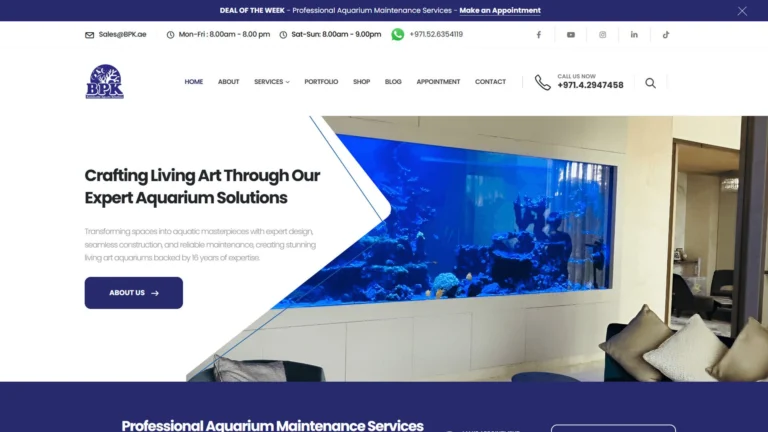
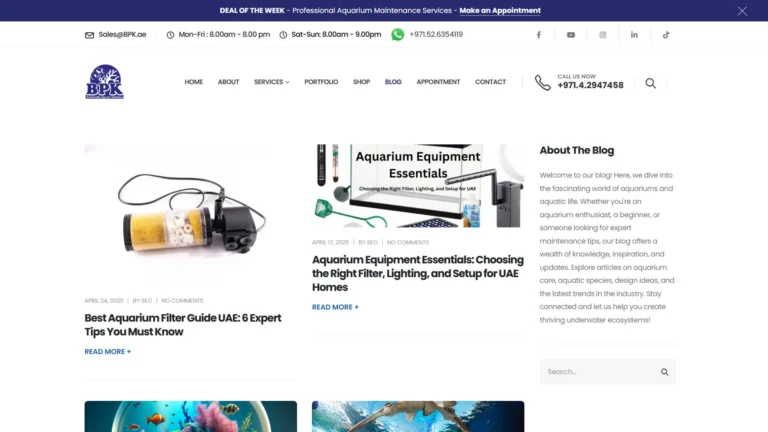
All website content was written from scratch — from compelling headlines and service descriptions to detailed product copy and engaging about sections. Every piece of content was crafted to serve dual purposes: engaging visitors while optimizing for search visibility.
The content strategy focused on establishing B.P.K’s expertise and authority in the marine aquarium industry. We created service descriptions that addressed customer pain points, product descriptions that highlighted unique selling propositions, and about sections that built trust and credibility. All content maintained the professional tone that B.P.K’s market position demanded while incorporating relevant keywords and search-friendly formatting.
Our SEO approach covered all three critical areas: on-page, off-page, and technical optimization, working hand-in-hand with performance enhancements to create a fast, discoverable website.
On-page and Content SEO included comprehensive keyword research and implementation, optimized meta titles and descriptions, proper heading structure, and internal linking strategies that guided both users and search engines through the site architecture. Technical SEO involved implementing schema markup for better indexing, ensuring mobile-first indexing compatibility, creating XML sitemaps, and optimizing site structure for crawlability.
Performance optimization became our technical priority, following Google’s best practices for user experience. We compressed images using next-gen formats, implemented lazy loading for faster page rendering, optimized CSS and JavaScript delivery, and set up advanced caching systems. Every performance metric was tested and refined until the site achieved optimal loading speeds across all connection types and devices.
Off-page SEO was handled through strategic backlink building and local directory submissions relevant to the marine aquarium industry in the UAE, establishing B.P.K’s digital authority in their niche. The combination of technical performance improvements and SEO optimization created a website that not only ranked well but delivered exceptional user experience that Google rewards in search results.
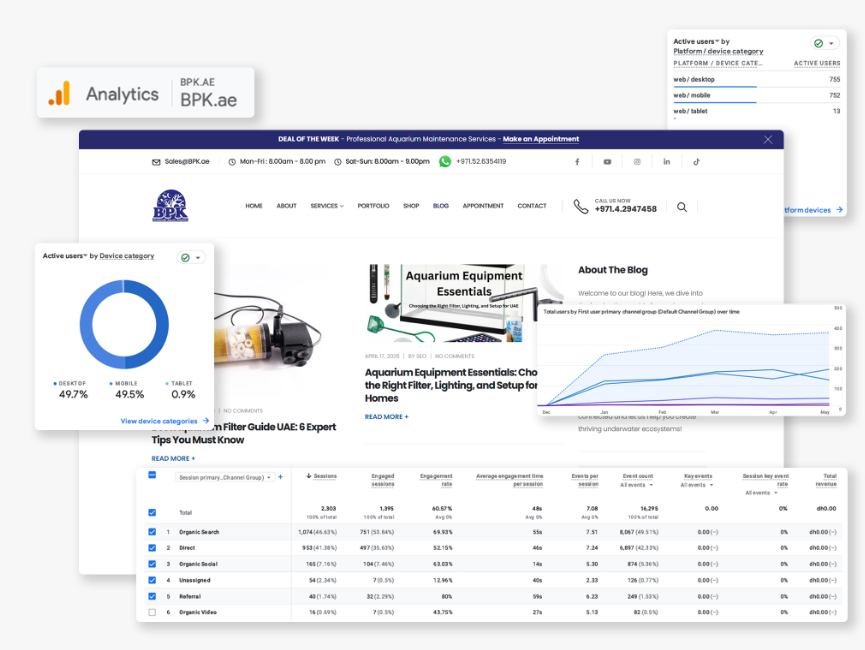
The transformation was immediate and measurable. In just three months post-launch (March-May 2025), B.P.K went from having zero digital tracking to generating substantial online visibility and engagement.
Traffic & Visibility (3-Month Period):
User Engagement:
Technical Performance:
Business Impact:
Post-Handover Trajectory: With consistently positive month-over-month growth trends observed during our 3-month monitoring period, B.P.K’s continued digital performance likely exceeded these baseline numbers in subsequent months as their SEO foundation matured and brand awareness expanded.
Digital transformation isn’t just about prettier websites — it’s about creating measurable business foundations. B.P.K went from having zero digital visibility to generating over 2,300 sessions and 1,000+ organic search visits in just three months. When we delivered 11 days ahead of schedule without sacrificing quality, we proved that the right strategy and execution can establish market presence faster than gradual improvements.
The real victory wasn’t just the technical metrics. It was giving B.P.K something they never had before: the ability to measure, track, and optimize their digital performance. With 1,518 unique users engaging across 6,000+ page views within the first quarter alone, they now have a scalable platform that grows with their business instead of holding it back. The consistently positive growth trajectory we observed during our monitoring period suggests their performance has only strengthened in the months following handover, as their SEO foundation continues to mature and compound.
Get in touch with our conversion-focused specialists, ready to deliver bespoke strategies tailored to your growth targets.